
.svg)
.svg)
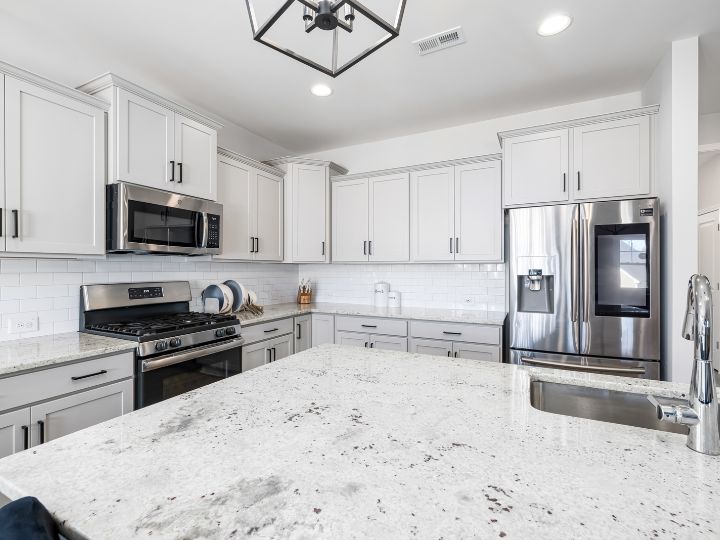
Granite vs. Quartz Countertops: Best Choice for Arizona Kitchens

The countertop decision ranks among the most important choices you'll make during a kitchen renovation. Your countertops influence both the aesthetic character of your kitchen and your daily experience using the space. For Arizona homeowners, two materials dominate the conversation: granite and quartz. Each offers distinct advantages, and understanding how these materials perform in Arizona's unique climate helps ensure you make the right choice for your lifestyle and budget.
Both granite and quartz deliver durability, beauty, and longevity that justify their premium price points. However, they differ fundamentally in composition, maintenance requirements, and performance characteristics. The intense Arizona sun, dry climate, and indoor-outdoor lifestyle patterns create specific considerations that affect which material might serve you better.
Understanding What You're Actually Getting
Granite is a natural stone quarried from the earth, cut into slabs, and polished for countertop use. Each slab is genuinely unique, with patterns, colors, and mineral variations created over millions of years of geological processes. When you choose granite, you're selecting a specific slab, and no two installations will ever look identical.
Quartz countertops, despite the name, aren't solid stone. They're engineered surfaces made from approximately 90-95% ground natural quartz crystals combined with polymer resins and pigments. This manufacturing process allows for consistent patterns and colors while maintaining many of natural stone's desirable properties. The terms "quartz" and "engineered stone" are used interchangeably, with popular brands including Caesarstone, Silestone, and Cambria.
This fundamental difference—natural versus engineered—drives most of the performance and aesthetic distinctions between the two materials.
Heat Resistance in Arizona's Climate
Arizona kitchens face unique thermal challenges. When outdoor temperatures exceed 110°F, your kitchen can become quite warm even with air conditioning running. The question of heat resistance matters both for normal cooking activities and for the material's long-term stability in hot environments.
Granite excels in heat resistance. As a natural stone formed under extreme geological heat and pressure, granite handles hot pots and pans without issue. You can set a pot directly from the stovetop onto granite without damaging the surface, though using trivets remains good practice to avoid potential thermal shock in rare cases.
Quartz countertops have good heat resistance but aren't as impervious as granite. The polymer resins binding the quartz crystals can be damaged by extreme heat. Placing a hot pan directly on quartz can cause discoloration, scorching, or even cracking in severe cases. While this isn't a deal-breaker—using trivets and hot pads solves the problem—it represents a practical consideration for how you use your kitchen.
The Arizona sun creates another heat consideration. Countertops near windows or in outdoor kitchens experience direct sun exposure and elevated temperatures. Granite handles this environmental heat without issues. Quartz can be affected by prolonged UV exposure, potentially causing discoloration or fading in extremely sunny locations. For indoor kitchens with normal window exposure, this rarely presents problems, but for outdoor kitchen installations, granite is typically the better choice.
Durability and Scratch Resistance
Both materials offer excellent durability for everyday kitchen use, though they achieve it through different means. Granite's natural hardness makes it highly scratch-resistant. You can cut directly on granite without damaging the surface, though doing so will dull your knives quickly. The stone's density and hardness mean normal kitchen activities pose virtually no risk of scratching.
Quartz countertops are also extremely hard and scratch-resistant due to the quartz content. In practical terms, both materials handle daily kitchen use equally well. You'd need to make a concerted effort with abrasive materials to scratch either surface. For typical homeowner usage patterns—chopping on cutting boards, sliding appliances occasionally, and general kitchen work—both materials perform excellently over decades of use.
Impact resistance differs slightly between the two. Granite can chip if you drop something heavy directly on an edge or corner, particularly near the sink cutout or other vulnerable areas. These chips can be repaired by professionals but require attention. Quartz, with its engineered composition, has slightly more flex and tends to be somewhat more forgiving of impacts, though it can still chip under extreme force.
The Maintenance Question
Maintenance requirements create one of the clearest distinctions between granite and quartz, and for many Arizona homeowners, this factor heavily influences their decision.
Granite is porous, meaning it can absorb liquids if left unsealed. Wine, oil, acidic juices, and other liquids can penetrate the stone and create stains. To prevent this, granite requires periodic sealing—typically once or twice per year, though the frequency depends on the specific granite variety and usage patterns. The sealing process is straightforward and can be done as a DIY project, but it represents ongoing maintenance you'll need to remember.
Some granite varieties are more porous than others. Lighter colors often require more frequent sealing, while dense, dark granites may need sealing less often. During your slab selection, ask about the specific maintenance requirements for the granite you're considering.
Quartz countertops are non-porous, which eliminates the sealing requirement entirely. The resin binders create a surface that doesn't absorb liquids, making quartz virtually stain-proof under normal conditions. Spills sit on the surface until you wipe them away rather than penetrating into the material. For busy households, families with young children, or anyone who prefers minimal maintenance, this characteristic offers significant practical advantages.
Daily cleaning differs minimally between the two. Both clean easily with mild soap and water. Avoid harsh chemicals, abrasive cleaners, or acidic substances on either material. Quartz manufacturers specifically warn against cleaners containing bleach or high pH levels, which can dull the finish over time.
Aesthetic Considerations and Design Flexibility
Your kitchen's visual style influences which material might suit your preferences better. Granite delivers natural beauty with organic patterns, veining, and color variations. If you love the look of natural stone with its unique character and movement, granite provides authentic geological artistry. The variation means you can find granite slabs ranging from subtle and uniform to dramatic and heavily veined.
This natural variation cuts both ways. The uniqueness that makes granite beautiful also means you need to select your specific slab before installation. What looks one way in a showroom might look quite different once cut and installed in your kitchen. Viewing the full slab and understanding how it will be cut for your space prevents surprises.
Quartz offers consistency and predictability. Because it's manufactured, you can see a sample and know your entire countertop will match that appearance. For homeowners who want uniform color and pattern throughout their kitchen, quartz delivers this reliability. Modern quartz designs have become increasingly sophisticated, with manufacturers creating options that mimic natural marble, granite, and even concrete.
Quartz also offers colors and patterns impossible to find in nature. Solid colors, whites whiter than natural stone, and bold contemporary patterns give designers options granite can't match. If your design vision includes a specific color that natural stone doesn't provide, quartz likely offers it.
Edge profiles and thickness options are available for both materials. Standard countertop thickness is 3 centimeters (about 1.2 inches) for both granite and quartz, though 2-centimeter options exist. Edge profiles from simple straight edges to elaborate ogee or waterfall edges work with either material.
Performance with Water and Stains
Arizona's dry climate might suggest water exposure is minimal, but kitchens inevitably deal with moisture from sinks, dishwashers, and food preparation. How materials handle water and potential staining agents affects long-term appearance and maintenance burden.
Unsealed granite can develop water stains or rings if liquid sits for extended periods, particularly near sinks where water exposure is constant. Once properly sealed, granite resists most staining quite well, though it's not completely impervious. Red wine, coffee, and acidic substances can stain granite if spills aren't cleaned reasonably promptly.
Quartz's non-porous nature makes it exceptionally resistant to stains. You can leave spills sitting for hours without worry about staining. This characteristic particularly benefits households that cook frequently or have young children who might spill without immediately reporting it. The lack of porosity also means quartz won't harbor bacteria in microscopic pores, which appeals to homeowners concerned about kitchen hygiene.
However, quartz isn't completely invincible. Certain chemicals and dyes can cause permanent discoloration if left on quartz surfaces for extended periods. Strong dyes from sources like turmeric, food coloring, or permanent markers should be cleaned promptly. Additionally, some cleaning products—particularly those containing bleach—can dull quartz finishes over time if used repeatedly.
Cost Comparison and Budget Planning
Both granite and quartz fall into the premium countertop category, but pricing varies based on several factors. Understanding cost structures helps you budget appropriately and compare options accurately.
Granite pricing depends heavily on rarity, color, origin, and complexity of the pattern. Basic granite colors from common quarries might cost $40-60 per square foot installed, while exotic varieties from distant quarries with complex patterns can reach $100-200 per square foot or more. The unique nature of granite means pricing varies significantly from slab to slab.
Quartz countertops typically range from $50-120 per square foot installed, with most mainstream options falling in the $60-90 range. Premium designer collections or unusual colors push toward the higher end. Quartz pricing tends to be more consistent because manufacturing creates predictable costs rather than the variability of quarrying and transporting natural stone.
These installed prices include the material, fabrication, edge work, cutouts for sinks and cooktops, and installation. Both materials require professional fabrication and installation—this isn't a DIY project. Complex layouts with many corners, unusual shapes, or elaborate edge profiles increase costs for either material.
Long-term cost considerations factor into the equation as well. Granite requires periodic sealing, which costs money if you hire professionals or time if you do it yourself. Quartz's maintenance-free nature provides cost savings over the years, though the difference rarely outweighs upfront price considerations.
Environmental and Health Considerations
For environmentally conscious homeowners, understanding the environmental impact of each material adds another decision factor.
Granite is a natural material requiring quarrying, which creates environmental impact through land disruption and energy used in extraction and transportation. However, as a natural product, granite doesn't involve chemical manufacturing processes. Once installed, granite emits no VOCs or chemicals, and at end of life, it returns to being inert stone.
Quartz manufacturing involves industrial processes and uses polymer resins derived from petrochemicals. The production process consumes energy and involves chemical compounds. However, quartz countertops use recycled content in many cases, and the engineered nature means manufacturers can use smaller pieces and waste materials that wouldn't work for solid stone slabs.
Both materials are considered safe for kitchen use with no health concerns during normal use. Earlier concerns about radon emissions from granite have been thoroughly debunked by multiple scientific studies. Quartz is food-safe and doesn't emit problematic chemicals under normal conditions.
Installation Considerations
Both granite and quartz require professional fabrication and installation. The materials are heavy, require precise cutting for sinks and cooktops, and need specialized equipment for handling and securing.
Installation timelines are similar for both materials. After selecting your stone and finalizing layout, fabricators create templates from your existing countertops or cabinets. They then cut the slabs to specification, finish edges, and install the pieces. The entire process typically takes two to four weeks from selection to installation, depending on fabricator schedules and project complexity.
Seams are necessary for longer countertop runs with either material. Modern fabrication techniques make seams quite tight and minimally visible, but they can't be eliminated entirely on long runs. Quartz seams can be slightly less noticeable on solid colors due to manufacturing consistency, while granite's natural variation sometimes makes seams more obvious depending on pattern placement.
Making the Right Choice for Your Kitchen
No universal "best" choice exists—the right material depends on your priorities, lifestyle, and preferences. Several key questions help clarify which material suits your situation better.
Do you prioritize minimal maintenance? Quartz wins this consideration decisively. If you don't want to think about sealing schedules or worry about staining, quartz's maintenance-free nature offers clear advantages.
Do you love natural stone aesthetics and unique character? Granite provides authentic natural beauty that engineered products can approximate but not fully replicate. If having one-of-a-kind stone with geological history appeals to you, granite delivers this in ways quartz cannot.
Do you frequently set hot pots on countertops or have an outdoor kitchen? Granite's superior heat resistance and UV stability make it the better choice for these applications.
Do you want specific colors or perfectly consistent patterns? Quartz's manufactured nature provides options and consistency that natural stone can't match.
What's your budget flexibility? While both materials fall in similar price ranges, understanding the specific costs for your desired options helps make informed decisions.
Professional Installation Matters
Regardless of which material you choose, professional fabrication and installation critically impact the final result. Experienced fabricators understand how to select and cut slabs to highlight natural beauty in granite or ensure consistent appearance with quartz. They know proper support requirements, seam placement strategies, and installation techniques that prevent future problems.
For homeowners planning kitchen renovations, working with knowledgeable contractors in Phoenix and Tempe ensures your countertop selection integrates properly with your overall design. The Contractor Guys can help coordinate countertop selection and installation within your broader kitchen project, ensuring proper cabinet preparation, plumbing alignment, and timing that keeps your renovation on schedule.
The Bottom Line on Countertop Selection
Both granite and quartz deliver beautiful, durable countertops that will serve your kitchen well for decades. Granite offers natural beauty, superior heat resistance, and authentic stone character, while accepting maintenance requirements and natural variation. Quartz provides maintenance-free convenience, consistent appearance, and expanded color options, while requiring attention to heat protection and UV exposure in some situations.
For Arizona kitchens specifically, both materials handle the climate well in typical indoor installations. The deciding factors come down to your personal priorities regarding maintenance, aesthetics, heat resistance, and budget. Visit showrooms, view actual slabs, and consider how each material's characteristics align with how you actually use your kitchen. The right countertop choice supports your cooking habits, complements your design vision, and fits comfortably within your budget while delivering years of satisfaction and service.
Latest Blogs



Transform your dream home into reality with our premier renovation services!
Book a call with us today and let's create the perfect space tailored just for you.