
.svg)
.svg)
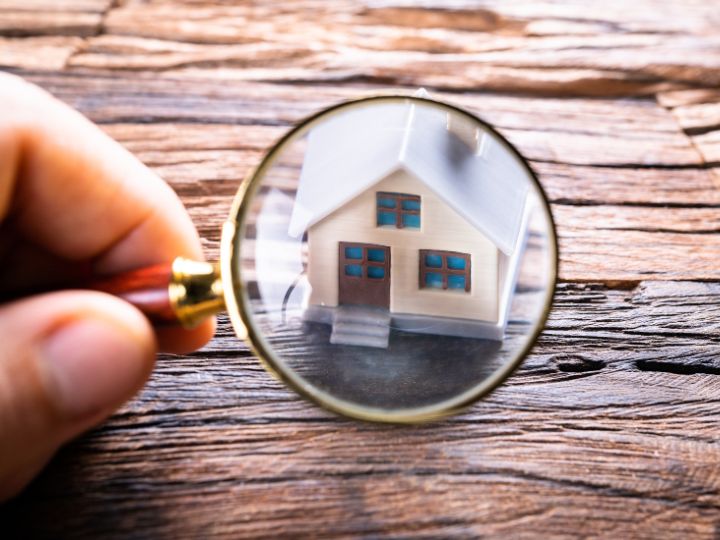
Home Inspection & Remodeling: Identifying Hidden Issues

When most homeowners think about remodeling, they picture the fun stuff, new countertops, fresh paint, a bathroom that finally feels like a retreat instead of an afterthought. What's a lot less exciting, but arguably even more important, is what's happening behind the walls, under the floors, and above the ceilings before any of that transformation begins.
That's where a home inspection comes in. And if you're planning any kind of major renovation, skipping this step is one of the easiest ways to turn an exciting project into a costly, drawn-out headache.
Why Inspection Should Come Before Demolition
It's tempting to jump straight into the fun part of remodeling. You've got a vision, you're ready to get started, and waiting around for an inspection can feel like an unnecessary delay. But here's the thing: your home has been quietly dealing with wear, moisture, settling, and everyday stress for years, sometimes decades, and a lot of that damage doesn't show up until someone starts tearing into walls or pulling up flooring.
A proactive home inspection before your remodel begins gives you a clear picture of what you're actually working with. Instead of discovering a problem halfway through demo day, you find out ahead of time, while you still have room to plan, budget, and make informed decisions. It's the difference between being surprised by a problem and being prepared for one.
What Hidden Structural Issues Actually Look Like
Hidden structural issues rarely announce themselves. They tend to hide behind drywall, under subfloors, or tucked away in crawl spaces and attics where nobody thinks to look until a project forces the issue. Some of the most common culprits include:
- Water damage and moisture intrusion — Old leaks, poor drainage, or plumbing issues can quietly rot wood framing and subflooring long before any visible staining shows up.
- Foundation cracks and settling — Small cracks might just be cosmetic, but others can point to shifting or settling that affects the entire structure of the home.
- Outdated or unsafe electrical wiring — Especially common in older homes, aging wiring can be a serious safety hazard once walls are opened up during a remodel.
- Mold and mildew — Often linked to moisture problems, mold can develop in places you'd never think to check, like behind cabinets or inside wall cavities.
- Pest damage — Termites and other pests can compromise structural wood over time, sometimes without any obvious exterior signs.
- Roofing and insulation problems — Poor insulation or roofing issues can lead to energy inefficiency and, in some cases, hidden water damage that spreads unnoticed.
None of these are the kind of thing you want to discover for the first time mid-renovation, especially once contractors, materials, and timelines are already in motion.
The Real Cost of Skipping This Step
Here's where a lot of homeowners get caught off guard: hidden issues almost always cost more to fix once a project is already underway. What could have been a straightforward repair, addressed early and budgeted for properly, turns into an emergency fix that stalls the entire renovation. Timelines stretch. Costs climb. And the stress of the unexpected can take a lot of the joy out of what should be an exciting home improvement project.
A proactive inspection helps you avoid that scenario entirely. It puts you back in control, giving you the chance to address structural or safety concerns as part of your original plan instead of scrambling to fix them after the fact.
How This Fits Into Your Remodeling Needs
Every remodel is different, and your remodeling needs should be shaped by more than just style preferences and Pinterest boards. A thorough inspection helps make sure your renovation plan actually accounts for the real condition of your home. Not just what you can see on the surface.
This is especially important for larger projects like kitchen overhauls, bathroom remodels, additions, or anything that involves opening up walls or working near plumbing and electrical systems. The more extensive the project, the more valuable it is to know exactly what you're dealing with before the first hammer swings.
An experienced remodeling team will treat inspection as part of the process, not an afterthought. That means taking the time to evaluate the areas that matter most for your specific project, flagging anything concerning, and working with you to figure out the best path forward, whether that means adjusting the scope, the budget, or the timeline.
Peace of Mind Is Part of the Package
At the end of the day, a home inspection isn't about slowing your project down. It's about protecting your investment and giving you peace of mind that your remodel is being built on a solid foundation, literally and figuratively. Nobody wants to spend money on beautiful new finishes only to find out later that there was a bigger issue lurking underneath the whole time.
Taking a proactive approach means fewer surprises, more accurate budgeting, and a renovation that's set up for long-term success rather than short-term patchwork. It's a small step at the start of the process that can save you a lot of time, money, and stress down the line.
If you're planning a remodel, don't skip the inspection. Think of it as the foundation for everything else you're about to build.
Latest Blogs

Transform your dream home into reality with our premier renovation services!
Book a call with us today and let's create the perfect space tailored just for you.