
.svg)
.svg)

Lighting Design: How the Right Fixtures Transform Your Home

Lighting is one of the most overlooked elements in remodeling. Homeowners often focus on cabinets, flooring, and paint colors while treating lighting as a final detail. In reality, home lighting design has the power to completely transform how a space looks, feels, and functions.
The right fixtures can make a kitchen more efficient, a bathroom more relaxing, and a living room more inviting. The wrong lighting can make even a high end renovation feel flat.
If you are planning a remodel, understanding how lighting works within construction and design helps you unlock its full impact.
Why Lighting Should Be Planned Early
Lighting is not simply decorative. It affects wiring layout, ceiling framing, switch placement, and electrical capacity.
When remodeling lighting is considered early in the design process, you can:
- Position fixtures exactly where they are needed
- Avoid unnecessary drywall repairs
- Plan for dimmers and smart controls
- Ensure proper electrical load capacity
Waiting until the end often limits options and increases costs. Proper lighting design should be integrated into the construction plan from the beginning.
The Three Layers of Effective Lighting
Well designed spaces use a combination of lighting types. Each layer serves a different purpose.
Ambient Lighting
Ambient lighting provides general illumination for the entire room.
Examples include:
- Recessed ceiling lights
- Flush mount fixtures
- Indirect cove lighting
This layer ensures safe movement and overall brightness.
Task Lighting
Task lighting focuses on specific work areas. It is especially important in kitchens and bathrooms.
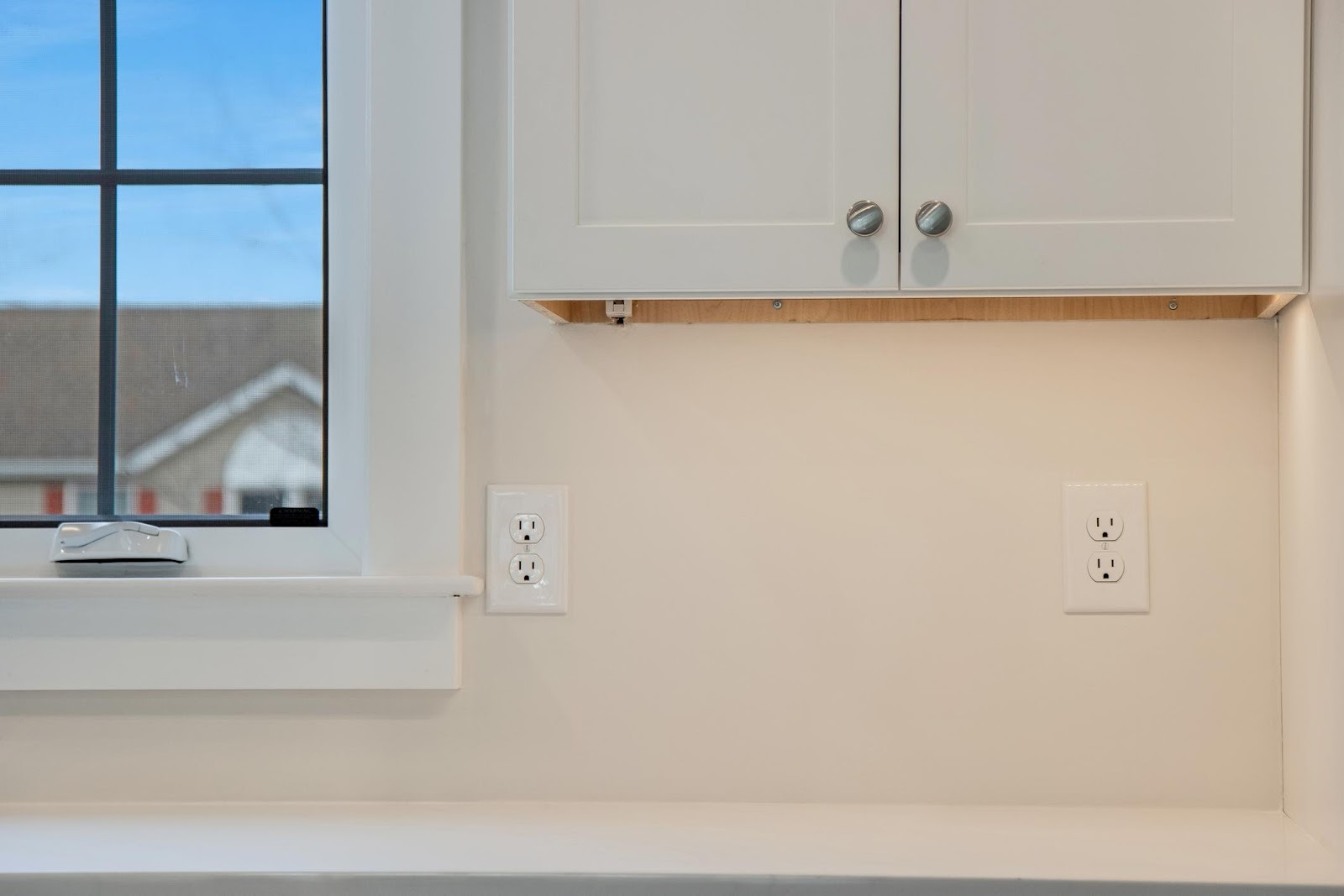
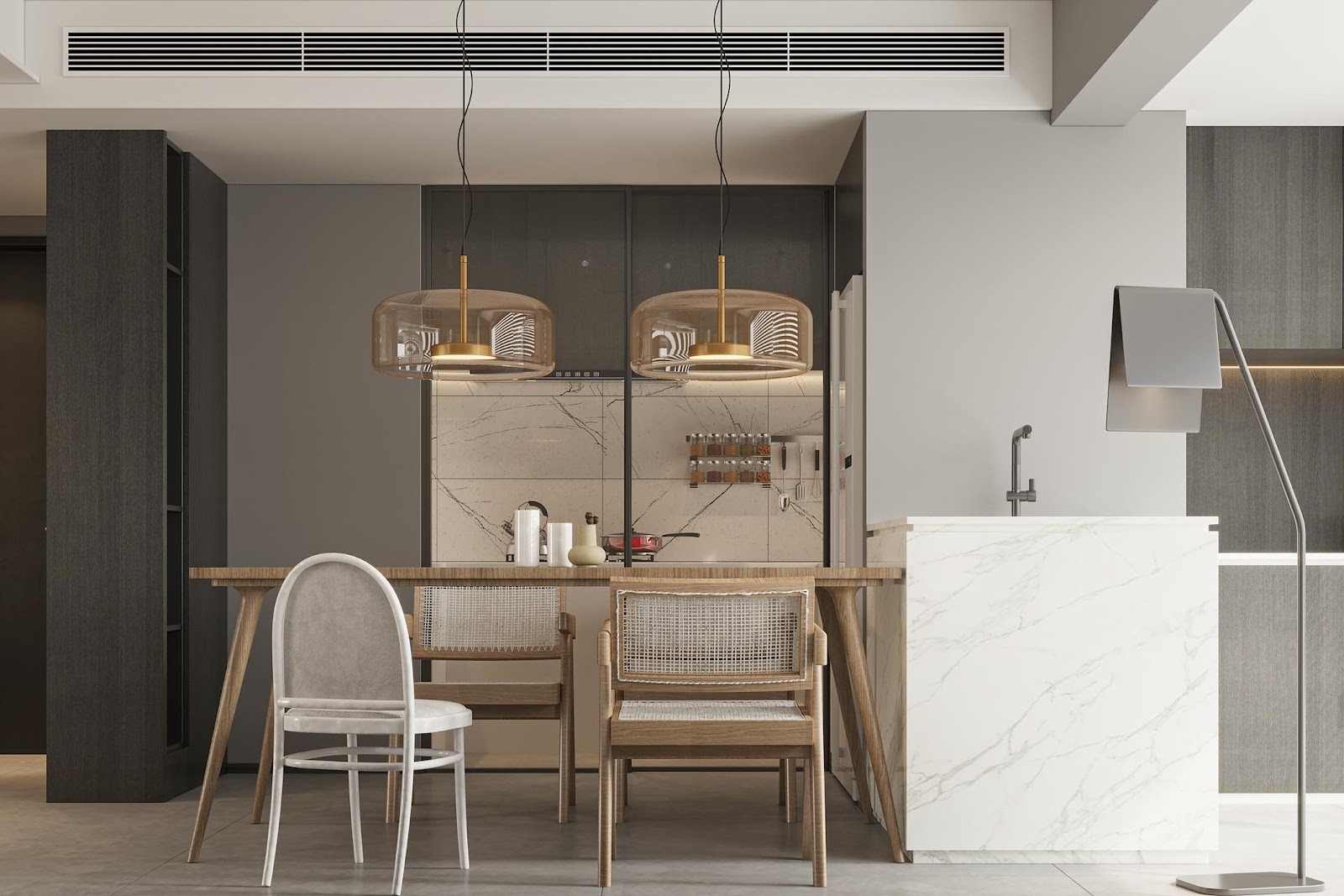
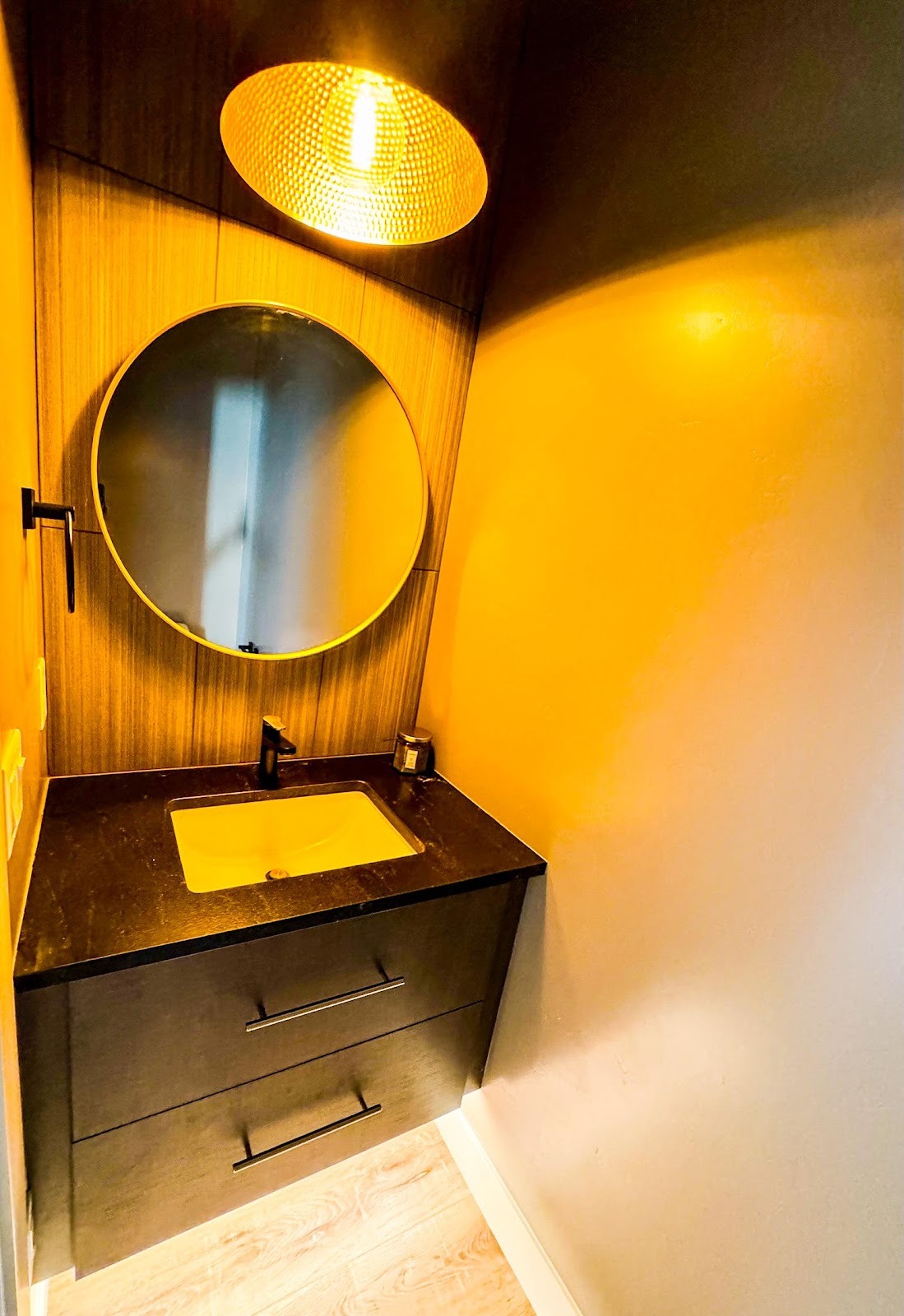
In the kitchen, task lighting improves safety and efficiency.
Common task lighting kitchen examples include:
- Under cabinet lighting for countertops
- Pendant lights over an island
- Focused lighting above sinks
- Interior cabinet lighting
Without proper task lighting, shadows form in work zones. This can make cooking and food preparation more difficult.
Accent Lighting
Accent lighting highlights architectural features and creates visual interest.
Examples include:
- Wall sconces
- Niche lighting
- Cabinet interior lights
- Stair lighting
Accent lighting adds depth and warmth, helping a space feel layered instead of flat.
How Lighting Transforms Key Spaces
Kitchen Transformation
In many remodels, homeowners install beautiful countertops and cabinetry but leave outdated ceiling lights in place. The result feels incomplete.
Upgrading to recessed lighting combined with pendant fixtures over the island creates balance and symmetry. Adding under cabinet lighting eliminates shadows and makes the kitchen feel larger and more functional.
Lighting can elevate an average kitchen into a space that feels refined and intentional.
Bathroom Upgrade
In bathrooms, lighting dramatically impacts comfort and appearance.
Poor overhead lighting casts harsh shadows on the face. Installing vertical vanity lights on both sides of the mirror provides even illumination. Adding dimmers allows for brighter light during morning routines and softer lighting in the evening.
Lighting design can shift a bathroom from purely functional to spa like and inviting.
Living Room Enhancement
Living rooms benefit from layered lighting that adapts to different activities.
Recessed lighting provides overall brightness. Floor lamps and wall sconces add warmth. Dimmers allow homeowners to shift from daytime brightness to evening comfort.
The right combination creates flexibility and atmosphere.
Fixture Selection Matters
Beyond placement, fixture style influences the character of the space.
Options include:
- Minimalist recessed fixtures
- Decorative pendants
- Industrial metal finishes
- Warm brass accents
- Modern linear lights
Choosing fixtures that complement cabinetry, flooring, and hardware ensures a cohesive result.
However, beauty must align with function. Fixture size, lumen output, and color temperature should be evaluated carefully. Bright white lighting may work well in kitchens, while warmer tones suit living areas.
Construction Considerations in Lighting Design
Proper lighting requires more than fixture selection.
During remodeling lighting upgrades, construction teams evaluate:
- Electrical panel capacity
- Circuit planning
- Switch and dimmer placement
- Ceiling joist spacing
- Insulation compatibility
Incorrect placement can interfere with framing or ventilation systems. Experienced contractors coordinate electricians and designers to ensure fixtures integrate seamlessly.
Smart and Energy Efficient Solutions
Modern home lighting design increasingly includes smart controls and energy efficient technology.
LED fixtures reduce energy use and generate less heat. Smart dimmers allow remote control and scheduling. Motion sensors improve convenience in closets and hallways.
These features enhance usability while lowering long term operating costs.
Lighting as a Transformational Tool
Lighting has the ability to change perception. It can make ceilings feel higher, rooms feel larger, and finishes appear richer.
During a remodel, investing in thoughtful lighting design often delivers one of the highest visual impacts relative to cost. It enhances every material choice and highlights architectural details that might otherwise go unnoticed.
At The Contractor Guys, we approach lighting as a core component of remodeling, not an afterthought.
When done correctly, lighting does more than illuminate a room. It transforms how you experience your home every day.
Latest Blogs



Transform your dream home into reality with our premier renovation services!
Book a call with us today and let's create the perfect space tailored just for you.