
.svg)
.svg)
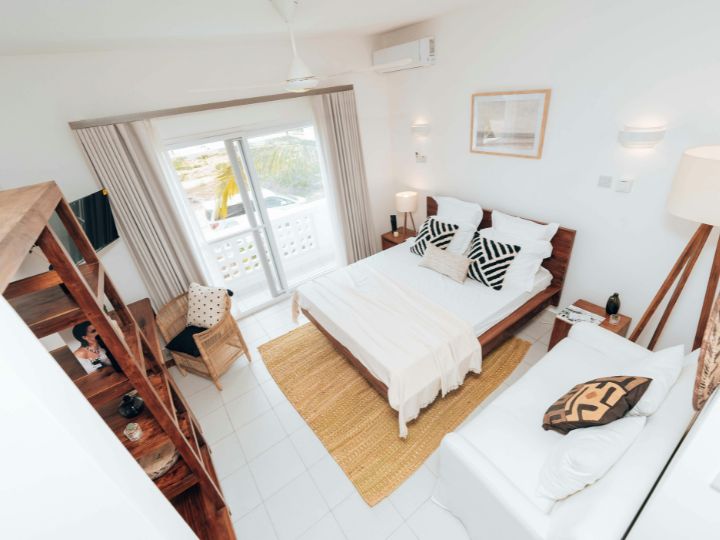
Small Space Solutions: Maximizing Square Footage in Phoenix Condos

Phoenix's condo market has experienced tremendous growth as more people embrace downtown living, seek low-maintenance lifestyles, or downsize from larger homes. While condo living offers convenience, walkability, and often desirable amenities, the trade-off typically involves working with less square footage than a traditional single-family home.
The challenge isn't the space itself—it's making every square foot work harder. With thoughtful design choices and strategic renovations, Phoenix condo owners can create homes that feel spacious, function efficiently, and accommodate their lifestyle without compromise. Understanding how to maximize your available space transforms a cramped-feeling unit into a comfortable, organized home.
The Phoenix Condo Landscape
Phoenix condos range from converted warehouse lofts in downtown districts to modern high-rises in Tempe and Scottsdale. Many units range from 600 to 1,200 square feet, requiring creative approaches to accommodate living, dining, working, and sleeping areas within compact footprints.
The desert lifestyle adds unique considerations to space planning. Phoenix residents need room for outdoor gear like hiking equipment and bikes, pool and fitness items, and seasonal wardrobes that span both scorching summers and cool winter evenings. Condos must accommodate these storage needs while maintaining an open, uncluttered feel.
Open Floor Plans: Creating Flow and Function
Walls consume valuable square footage and create visual barriers that make spaces feel smaller. If your condo's layout includes unnecessary walls or awkward room divisions, removing them can dramatically transform how the space functions and feels.
Opening up the kitchen to the living area is one of the most impactful changes condo owners make. This configuration creates sightlines that extend throughout the main living space, making both areas feel larger. An open kitchen layout also improves functionality for entertaining and allows natural light to flow throughout the space rather than being trapped in separate rooms.
Half-walls or partial dividers can define different zones without completely closing off spaces. A peninsula or breakfast bar creates distinction between kitchen and living areas while maintaining the open feel. These partial barriers also provide additional counter space and seating—valuable commodities in smaller kitchens.
Load-bearing walls obviously can't be removed without structural modifications, but even in these cases, widening doorways or creating pass-throughs improves flow and visual continuity. Before removing any walls, consult with a professional to understand structural implications and necessary permits.
Built-In Storage: The Secret to Clutter-Free Living
Freestanding furniture consumes floor space and rarely utilizes vertical space efficiently. Custom built-ins maximize storage capacity while maintaining a streamlined appearance that makes rooms feel larger rather than cluttered.
Floor-to-ceiling built-in shelving provides substantial storage without protruding into the room the way bookcases and storage units do. In living rooms, built-ins flanking a TV create display space and concealed storage for electronics, media, and everyday items. The vertical emphasis draws the eye upward, making ceilings feel higher and rooms more spacious.
Bedroom closets in condos are often undersized for actual storage needs. Custom closet systems with double-hang rods, adjustable shelving, and built-in drawers can double or triple usable storage capacity within the same footprint. Adding closet systems to secondary bedrooms or even living areas creates designated homes for seasonal items, sports equipment, and overflow storage.
Built-in window seats with lift-up storage underneath serve multiple purposes. They provide comfortable seating, create visual interest, offer storage for items you don't access daily, and frame windows to emphasize views—all within space that might otherwise go unused.
Multi-Functional Furniture and Flexible Rooms
When square footage is limited, each piece of furniture should earn its place by serving multiple functions. Murphy beds that fold into wall units allow bedrooms or offices to transform as needed throughout the day. During work hours, the room functions as a home office; in the evening, it becomes a guest room.
Sofa beds have evolved far beyond uncomfortable fold-out couches. Modern sleeper sofas with memory foam mattresses provide comfortable seating daily and accommodate overnight guests when needed. Storage ottomans serve as coffee tables, extra seating, and concealed storage for blankets, pillows, or entertainment accessories.
Dining tables with drop leaves or extendable designs allow you to maintain a compact footprint for everyday use while accommodating dinner parties when needed. Wall-mounted fold-down tables in kitchens or offices provide workspace when required and disappear completely when not in use, freeing up valuable floor space.
Consider furniture scaled appropriately for your space. Oversized sectionals and bulky recliners might seem comfortable, but they can overwhelm small rooms and restrict movement. Furniture with exposed legs creates visual lightness and makes rooms feel less crowded compared to pieces that sit flush with the floor.
Kitchen Efficiency in Compact Spaces
Condo kitchens often sacrifice size for open floor plans, but strategic design choices help small kitchens function like much larger ones. Vertical storage makes the most of available space—upper cabinets extending to the ceiling eliminate dead space and provide storage for items you use less frequently.
Pull-out organizers, lazy Susans, and drawer dividers transform cabinets from black holes into efficient storage systems. Deep drawers for pots and pans, vertical dividers for baking sheets, and pull-out spice racks keep everything accessible and organized. These organizational systems cost relatively little but dramatically improve functionality.
Kitchen islands on wheels provide additional counter space and storage while offering flexibility to move them aside when you need more floor space. Many designs include drop leaves that extend the work surface even further or built-in wine racks and towel bars that maximize utility.
Consider appliance choices carefully. European-sized or apartment-sized appliances provide full functionality in smaller footprints. An 18-inch dishwasher suits most couples or small families while freeing up cabinet space. Combination microwave-convection ovens eliminate the need for separate appliances. Under-counter wine refrigerators and beverage centers utilize otherwise wasted space beneath countertops.
Bathroom Space Maximization
Condo bathrooms, particularly in older buildings, often feel cramped and lack adequate storage. Wall-mounted vanities create the illusion of more floor space and make bathrooms easier to clean. Floating vanities with open shelving underneath provide storage while maintaining an airy feel.
Recessed medicine cabinets and niches utilize wall cavity depth for storage without protruding into the bathroom. Shower niches built into tile work keep products organized and accessible without shower caddies that create visual clutter. Corner shelves and over-toilet storage units maximize vertical space efficiently.
Frameless glass shower doors make bathrooms feel larger compared to shower curtains or framed enclosures. The transparency allows sightlines to extend throughout the bathroom rather than being blocked by opaque barriers. If your bathroom layout permits, curbless walk-in showers with linear drains create a seamless, spa-like feel that makes small bathrooms appear more spacious.
Light and Color: Visual Expansion Techniques
Natural light makes spaces feel larger and more inviting. Maximize window exposure by keeping window treatments minimal—sheer curtains or top-down bottom-up shades provide privacy while allowing light penetration. In Phoenix's intense sun, solar screens or UV-filtering window film protect furnishings while still allowing natural light.
Paint colors dramatically affect how spacious rooms feel. Light neutrals reflect light and create visual continuity from room to room. This doesn't mean everything must be white—soft grays, warm beiges, and pale blues all work well. The key is maintaining similar values throughout the condo to avoid visual choppiness that makes spaces feel disjointed and smaller.
Mirrors strategically placed opposite windows bounce light throughout rooms and create the illusion of additional space. A large mirror in a living room or hallway can make narrow passages feel wider and darker rooms feel brighter. Mirrored closet doors serve dual purposes—they're functional and they visually expand bedrooms.
Lighting layers also impact perceived space. Relying solely on overhead fixtures creates harsh shadows and flat lighting. Combining ambient lighting with task lighting and accent lighting adds depth and dimension. Under-cabinet lighting in kitchens, wall sconces in living areas, and LED strip lighting in closets improve functionality while creating visual interest.
Outdoor Living Spaces: Your Extra Room
Phoenix's climate allows year-round outdoor living, making balconies and patios valuable extensions of your indoor space. Treating outdoor areas as additional rooms expands your functional square footage significantly.
Weather-resistant furniture creates comfortable outdoor living rooms perfect for morning coffee, evening relaxation, or entertaining guests. Vertical gardens with wall-mounted planters add greenery without consuming floor space. Shade solutions like retractable awnings or pergolas with shade cloth make outdoor spaces usable even during summer months.
Storage benches or deck boxes keep outdoor cushions, gardening supplies, and recreational equipment organized while providing additional seating. If your balcony receives full sun, consider outdoor curtains or roll-up bamboo shades that provide shade and privacy while maintaining airflow.
Strategic Renovations for Maximum Impact
Some renovations deliver outsized returns in making small condos feel substantially larger. Removing popcorn ceilings and using smooth finishes creates a more modern look and makes ceilings feel higher. Installing wider baseboards and crown molding draws the eye around room perimeters, emphasizing space rather than clutter.
Replacing traditional doors with pocket doors or barn doors that slide along walls eliminates the floor space required for door swings. This small change can free up several square feet in tight areas like bathrooms or bedrooms, allowing for different furniture arrangements or additional storage.
Hardwood or large-format tile flooring throughout the condo creates visual continuity that makes the entire space feel larger. Avoiding busy patterns or transitions between rooms maintains clean sightlines. If replacing flooring isn't in the budget, removing area rugs can have a similar effect by exposing more continuous floor surface.
Working with Condo Regulations
Before starting renovations, understand your condo association's rules and approval processes. Most associations require approval for structural changes, plumbing or electrical work, and modifications affecting the building's exterior or common areas. Reviewing CC&Rs (covenants, conditions, and restrictions) and submitting proper documentation prevents expensive mistakes and delays.
Some associations restrict renovation timing to minimize noise disturbance to neighbors. Others require specific insurance coverage or contractor credentials. Understanding these requirements upfront ensures your project proceeds smoothly from planning through completion.
Professional Guidance for Space Planning
Maximizing small spaces requires experience understanding what changes deliver the greatest impact for your investment. An experienced general contractor in Phoenix, AZ can evaluate your condo's layout, identify opportunities for improvement, and coordinate the various trades needed to execute your vision.
For Phoenix and Tempe condo owners ready to transform their space, The Contractor Guys understands the unique challenges of condo renovations—from working within association guidelines to creating functional layouts that accommodate desert living. Professional guidance ensures your improvements enhance both functionality and value while respecting budget constraints.
Living Large in Compact Spaces
Small-space living doesn't mean accepting cramped quarters or constant clutter. Strategic design choices, smart storage solutions, and carefully planned renovations allow Phoenix condo owners to create homes that feel spacious, function efficiently, and reflect their lifestyle preferences.
The key lies in making intentional decisions about how every element contributes to your space. Whether you're working with 600 or 1,200 square feet, thoughtful planning transforms limitations into opportunities for creative solutions. In Phoenix's growing urban core, mastering small-space living means enjoying all the benefits of condo ownership without feeling like you're sacrificing comfort or style. With the right approach, your condo becomes a showcase of efficient design that proves square footage matters less than how intelligently you use the space you have.
Latest Blogs



Transform your dream home into reality with our premier renovation services!
Book a call with us today and let's create the perfect space tailored just for you.